

Commercial Asphalt Resurfacing in Washtenaw County
When a commercial parking lot begins to show widespread surface wear but still has a stable underlying structure, asphalt resurfacing may restore the pavement without requiring complete reconstruction.
Anthony’s Asphalt provides commercial asphalt resurfacing in Washtenaw County, MI, including Ann Arbor, Dexter, Chelsea, Saline, Ypsilanti, and surrounding Southeast Michigan communities.
We work with property managers, business owners, HOAs, facility operators, and commercial property owners to evaluate aging pavement, plan milling and overlay work, and coordinate projects around property access and daily operations.
From deteriorated parking areas to heavily traveled entrances and commercial drive lanes, our goal is to recommend the appropriate resurfacing scope based on pavement condition, drainage, traffic requirements, and long-term performance.


What Is Asphalt Resurfacing?
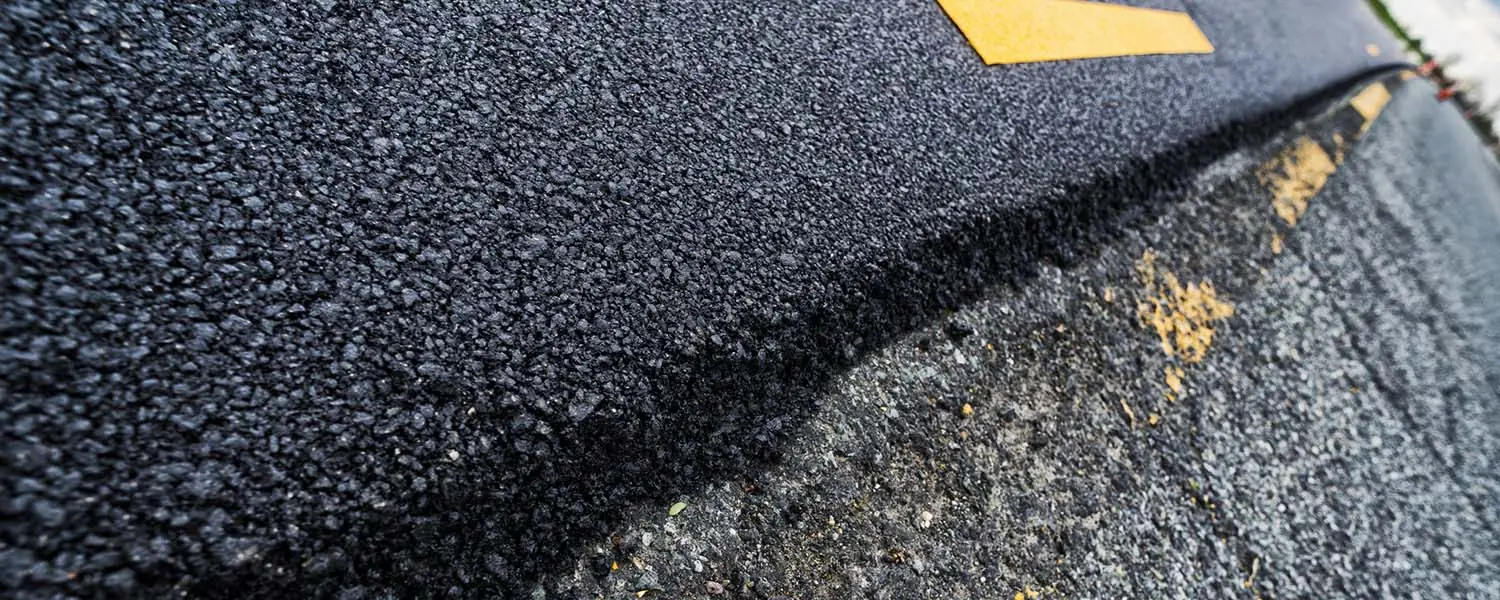
Asphalt resurfacing is the process of renewing an existing asphalt surface by installing a new layer of asphalt over pavement that is structurally suitable for the treatment.
Depending on site conditions, the project may include asphalt milling to remove part of the existing surface before installing a new asphalt overlay. Milling can help maintain proper elevations at curbs, drainage structures, entrances, and adjacent pavement.
Unlike full-depth replacement, resurfacing generally retains suitable portions of the existing pavement structure. However, underlying failures, unstable base material, and significant drainage problems must be evaluated and corrected before an overlay is installed.
Resurfacing is not simply a cosmetic treatment. Proper pavement evaluation, preparation, thickness selection, compaction, and drainage planning all affect the final result.
Asphalt Resurfacing for Parking Lots, Commercial Roads, and Drive Lanes
Commercial asphalt resurfacing requires more planning than renewing a lightly used pavement surface. Traffic volume, vehicle weight, turning movements, drainage, and access requirements influence the scope of work.
Retail Parking Lots
Resurfacing plans that account for customer parking, storefront access, delivery schedules, and traffic circulation.
Apartment and HOA Properties
Surface renewal for shared parking areas, internal drive lanes, resident entrances, and community access roads.
Industrial and Truck Areas
Evaluation of loading zones, truck routes, heavy-vehicle turning areas, and pavement exposed to concentrated loads.
Schools and Office Facilities
Resurfacing schedules coordinated around staff parking, visitor access, deliveries, and peak traffic periods.
For complete parking lot construction and replacement projects, see our commercial parking lot paving services.
How Much Does Commercial Asphalt Resurfacing Cost in Michigan?
Final costs can be significantly different depending on milling requirements, overlay thickness, pavement repairs, drainage correction, truck traffic, striping, mobilization, and how the work must be phased.
What Affects Commercial Asphalt Resurfacing Costs in Michigan?
Commercial asphalt resurfacing costs depend on the existing pavement condition, project size, milling requirements, asphalt thickness, drainage, traffic loads, and site access. Because every commercial property has different requirements, Anthony’s Asphalt provides site-specific estimates to help property managers understand the recommended scope and budget.
What Changes the Cost of Parking Lot Resurfacing?
| Cost Factor | Impact on Project Scope |
|---|---|
| Existing pavement condition | Failed sections may need structural repair before resurfacing. |
| Milling depth | The amount of asphalt removed affects labor, equipment use, and disposal. |
| Overlay thickness | Thicker asphalt layers require more material and must match pavement design requirements. |
| Drainage and elevations | Poor runoff, low spots, and utility structures may require correction. |
| Truck and delivery lanes | Heavy loads and turning movements may require additional structural consideration. |
| Phased construction | Maintaining customer, tenant, or delivery access may increase scheduling complexity. |
| Parking lot striping | Repainting spaces, arrows, and traffic markings may be included or priced separately. |
Property managers planning annual or capital improvement budgets can request a commercial resurfacing estimate to clarify the scope and likely cost for their specific property.
Our Commercial Asphalt Resurfacing Process
As an experienced asphalt paving contractor, Anthony’s Asphalt follows a structured resurfacing process based on the condition and operating requirements of each property.
1. Pavement Evaluation and Scope Planning
We review surface deterioration, failed sections, drainage, pavement elevations, traffic exposure, and access requirements. This helps determine whether resurfacing is appropriate or whether deeper repairs are needed.
2. Milling and Surface Preparation
Where required, milling removes a specified depth of existing asphalt to prepare the pavement for a new surface. The work may also address transitions at entrances, curbs, manholes, and drainage structures.
3. Localized Structural Repairs
Failed asphalt and unstable areas may need to be removed and repaired before the overlay. Resurfacing over unresolved structural problems can allow damage to reappear.
4. Asphalt Overlay Installation
New hot mix asphalt is installed at the specified thickness and compacted using appropriate paving equipment. The pavement design should reflect the site’s expected vehicle loads and operating conditions.
5. Final Inspection and Traffic Reopening
The finished surface is reviewed, and required pavement markings can be restored. Traffic reopening depends on asphalt temperature, weather, material properties, and site conditions.
How Deep Should Asphalt Be Milled Before Resurfacing?
There is no universal milling depth that works for every commercial parking lot. The amount of asphalt removed depends on the existing pavement thickness, surface condition, drainage elevations, and the thickness required for the new overlay.
Some resurfacing projects involve shallow surface milling, while others require deeper removal or full-depth repairs in failed sections. Milling and overlay thickness should be established from the actual pavement condition and intended use.
Important considerations include:
- Existing asphalt thickness: Enough suitable pavement must remain to support the planned treatment.
- Curbs and entrances: Finished elevations must work with adjoining pavement and access points.
- Drainage: Milling and paving should account for water flow toward appropriate drainage locations.
- Truck traffic: Heavily loaded areas may require a different pavement structure than passenger-car parking spaces.
- Underlying damage: Milling alone does not correct failed base material or widespread structural deterioration.
For more extensive removal work, see our asphalt milling services.
Resurfacing Commercial Truck Lanes and Loading Areas
Not all sections of a commercial parking lot experience the same traffic loads. Truck entrances, loading areas, dumpster approaches, delivery lanes, and tight turning locations may experience greater pavement stress than ordinary passenger-vehicle parking spaces.
These areas should be assessed for rutting, fatigue cracking, settlement, and base instability before resurfacing. A standard surface overlay may not be sufficient where repeated heavy loads have already caused structural failures.
For industrial facilities and properties with frequent deliveries, the resurfacing scope should consider:
- Expected truck types and traffic frequency
- Repeated turning and braking movements
- Existing pavement thickness and structural support
- Drainage and standing water
- Loading dock and driveway transitions
- Phased access for deliveries and facility operations
Addressing these conditions during planning can help avoid applying a surface treatment to pavement that requires deeper reconstruction.
Asphalt Repair vs. Resurfacing vs. Replacement: Which Do You Need?
Repair, resurfacing, and replacement solve different pavement problems. The best choice depends on whether damage is localized, primarily at the surface, or structural.
| Treatment | Typically Considered When | Important Limitation |
|---|---|---|
| Localized asphalt repair | Potholes or failed areas are isolated. | Does not renew the entire parking lot surface. |
| Asphalt resurfacing | Surface deterioration is widespread but the supporting pavement remains suitable. | Does not resolve extensive underlying base failure. |
| Full-depth replacement | Pavement structure or underlying support has failed extensively. | Requires more extensive removal, rebuilding, and site planning. |
For isolated pavement failures, explore our commercial parking lot repair services. For new construction or major reconstruction, visit our parking lot paving page.
Can Commercial Parking Lots Stay Open During Resurfacing?
Commercial resurfacing projects often involve occupied properties where businesses, tenants, employees, or delivery vehicles need continued access.
Depending on the property layout and project requirements, resurfacing may be divided into phases to limit disruption. However, each work zone must have enough space for safe milling, paving, compaction, and traffic control.
Scheduling considerations may include:
- Customer and employee parking availability
- Tenant and resident notifications
- Delivery routes and loading access
- Emergency vehicle access
- Temporary traffic patterns
- After-hours or weekend scheduling where feasible
- Weather conditions and safe pavement reopening
For property managers, these operational details should be discussed during estimating rather than after construction begins.
Residential Driveway and Private Road Resurfacing
Although commercial parking lot resurfacing is a major focus, Anthony’s Asphalt also serves homeowners and private property owners in Southeast Michigan.
Driveway resurfacing may be appropriate when the existing asphalt structure remains sound but the surface is worn or deteriorated. If the driveway has extensive base failure, significant settlement, or drainage problems, repairs or replacement may be necessary instead.
Explore our residential asphalt driveway services for additional information about driveway paving and related work.
Benefits of Asphalt Resurfacing
- Potential cost savings: Resurfacing may cost less than full reconstruction when the underlying pavement is suitable.
- Improved surface condition: A properly installed overlay can restore a smoother driving and parking surface.
- Better property appearance: New asphalt and refreshed striping can improve the presentation of a commercial property.
- Reduced disruption compared with reconstruction: Resurfacing may require less extensive removal and rebuilding than full replacement.
- Long-term pavement planning: A suitable overlay can extend the useful life of existing pavement when properly designed, installed, and maintained.
The actual service life of resurfaced asphalt depends on pavement structure, traffic, drainage, climate, workmanship, and ongoing maintenance. No single lifespan applies to every property.
Commercial Asphalt Resurfacing in Ann Arbor and Washtenaw County
Anthony’s Asphalt is based in Dexter, Michigan, and serves commercial properties throughout Washtenaw County, including Ann Arbor, Ypsilanti, Saline, Chelsea, and surrounding communities.
Our broader Southeast Michigan service area also includes Livingston, Oakland, and Wayne counties.
Property managers planning resurfacing work across multiple facilities can discuss site assessments, repair priorities, access requirements, and future pavement maintenance needs with our team.
Learn more about our commercial asphalt paving services in Washtenaw County.
Why Choose Anthony’s Asphalt for Commercial Resurfacing?
Anthony’s Asphalt has served Southeast Michigan since 2009, providing asphalt paving, resurfacing, repairs, and pavement maintenance for commercial and residential properties.
We focus on helping property owners understand the work their pavement needs, from localized repairs to larger milling and resurfacing projects.
- Experience with commercial parking lots and pavement maintenance
- Local knowledge of Michigan pavement conditions
- Property-specific repair and resurfacing assessments
- Planning for occupied commercial properties
- Clear project scopes and free estimates
Frequently Asked Questions About Commercial Asphalt Resurfacing
How much does commercial asphalt resurfacing cost in Michigan?
A broad illustrative budgeting range is $2 to $4 per square foot for suitable overlay work, but actual costs depend on milling, asphalt thickness, base repairs, drainage, traffic requirements, striping, and project size. This is not a guaranteed local price. A site-specific estimate is needed.
How much would it cost to resurface a 20,000-square-foot parking lot?
At an illustrative rate of $2 to $4 per square foot, a 20,000-square-foot parking lot would have a preliminary budget of $40,000 to $80,000. Extensive structural repairs, drainage improvements, complex phasing, or other work outside the assumed overlay scope could increase the cost.
Is asphalt resurfacing cheaper than replacing a parking lot?
Resurfacing may cost less than full replacement because suitable existing pavement layers remain in place. However, resurfacing is not appropriate when the underlying structure has failed extensively. A pavement assessment is needed to compare options.
How deep should asphalt be milled before resurfacing?
Milling depth depends on existing pavement thickness, surface condition, drainage elevations, and the planned overlay. There is no universal depth suitable for every commercial property.
Can you resurface a parking lot with potholes?
Localized potholes and failed areas may need to be repaired before resurfacing. Installing an overlay directly over unstable pavement can allow the underlying damage to reappear.
How long does commercial asphalt resurfacing last?
Service life varies based on the existing pavement structure, traffic loads, drainage, weather, overlay design, installation quality, and maintenance. A site assessment can help establish reasonable expectations for a specific property.
Can a commercial parking lot remain open during resurfacing?
Some projects can be completed in phases to preserve access to unaffected areas. Work zones generally need temporary closures for milling, paving, compaction, and safe reopening. The approach depends on the property’s layout and operations.
Do truck lanes need thicker asphalt?
Truck lanes and loading areas may require different pavement design considerations because of heavy axle loads and repeated turning or braking. The required asphalt structure should be determined from site conditions and expected traffic.
Does parking lot resurfacing include new striping?
Striping may be included in the project scope or quoted separately. Property managers should confirm whether parking spaces, directional arrows, accessible parking markings, and other pavement markings are included.
What areas does Anthony’s Asphalt serve?
Anthony’s Asphalt serves Ann Arbor, Dexter, Ypsilanti, Saline, Chelsea, and surrounding Washtenaw County communities, as well as other areas of Southeast Michigan, including Livingston, Oakland, and Wayne counties.

